
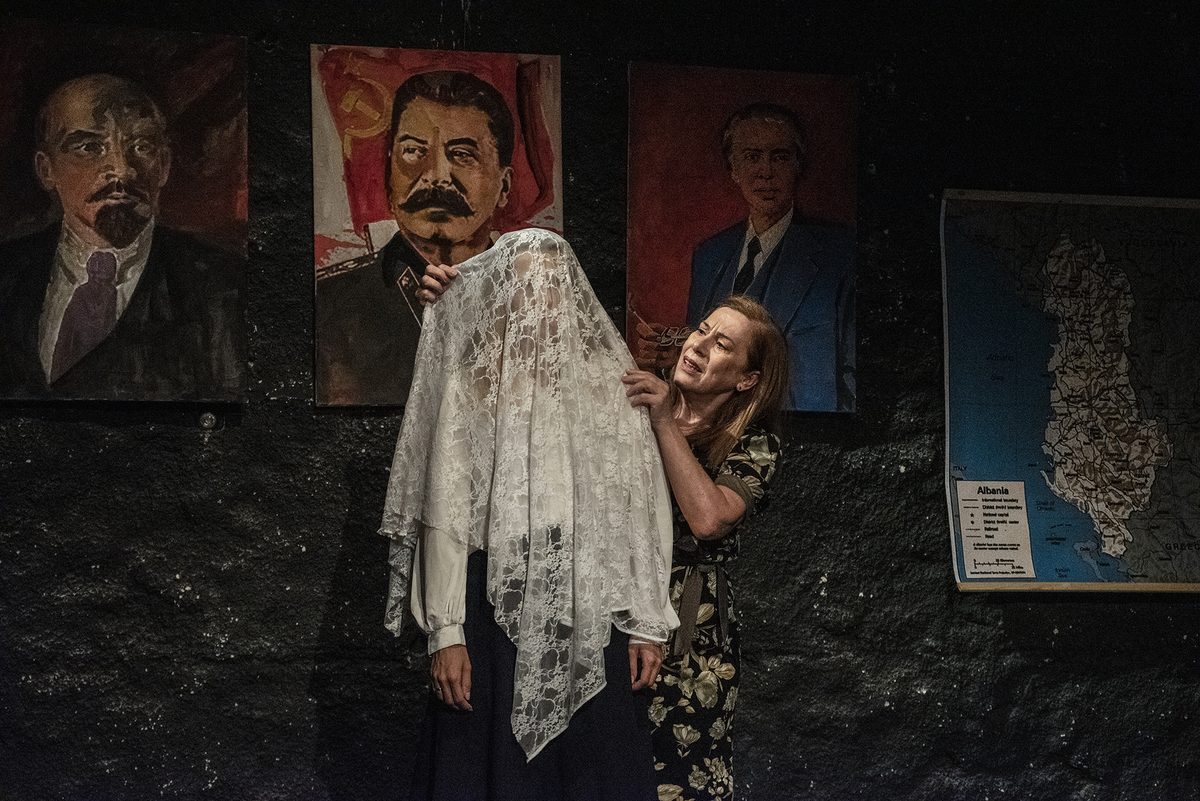
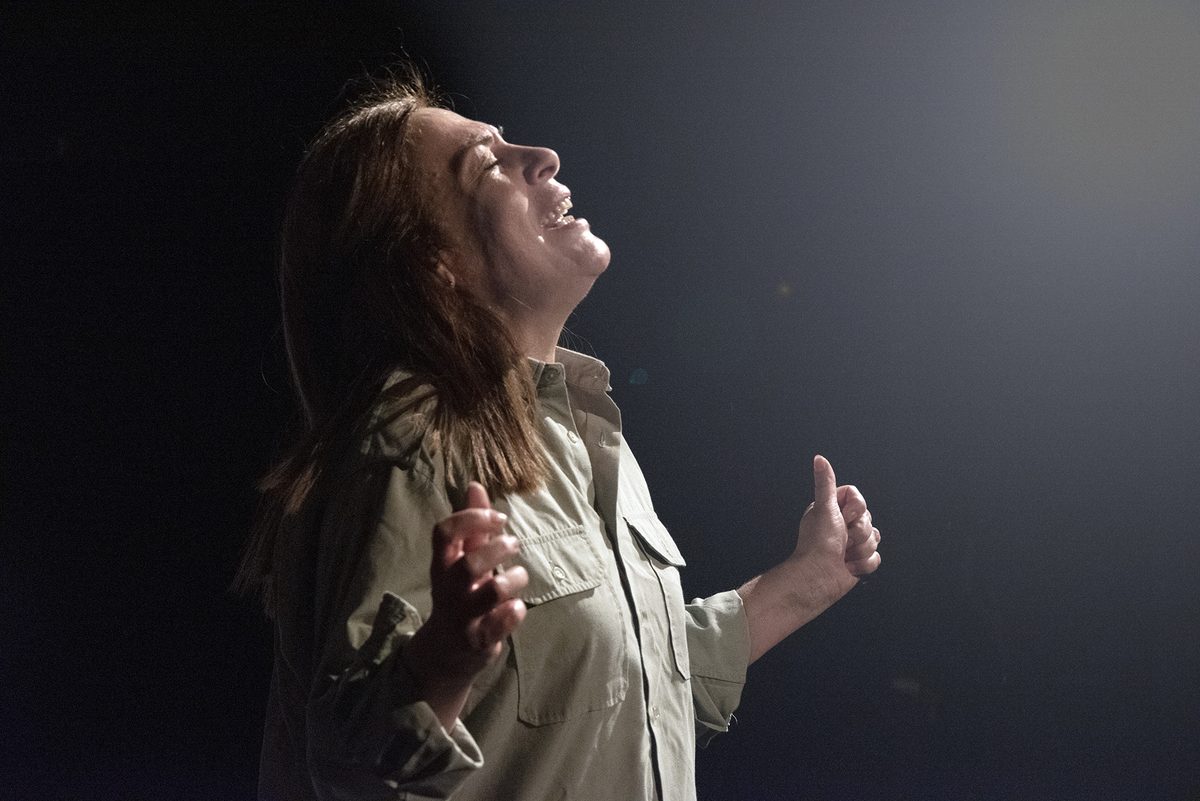
‘’The Country Where No One Ever Dies’’ by Ornela Vorpsi directed by Enke Fezollari
Michael Cacoyannis Foundation
September 19, 2026
“In my country the girls have to take special care of their ” pure flower”, because the man is washing himself with a piece of soap and becomes clean and fresh again, but the girls cannot be washed out, even with the whole sea. The whole sea. “
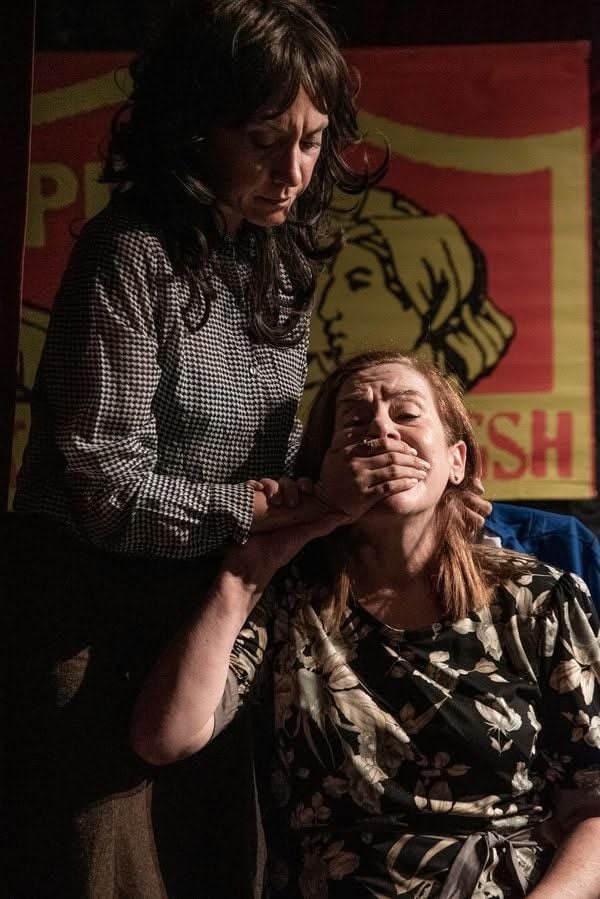
Enke Fezollari after the successful presentation of the “Sworn Virgin” in the Athens Festival, revisits Albanian dramatology. The awarded and multi translated novel of Ornela Vorpsi, presented for the first time in Greece, is a manifest against the patriarchal structure of Albania and the suppression of the eroticism and the liberty of its people, from the time period of 70s until the dissolution of the lands of ex Eastern bloc. Ornela, the central heroine narrates sometimes bittery and sometimes with humor her passage to adulthood. Through her sensitive but harsh in the same time writing the visual artist and writer who nowadays lives in Paris, narrates her personal story.
Images of a country next to us, which very few know, a land that through the ashes of the dictatorship of Enver Hoxha tries to resurrect, a land that never dies…
Vorpsi creates a strictly female universe that defends, crashes and in the end survives in a male dominated world. A Balkan narration for the humiliation but also the resistance of woman against the patriarchal status quo. A journey in time in a land that you never die, but you learn to live-almost without breathing-, to hide, to consent without your will, to share your little food, to bow your head waiting for better days to come, and if you are lucky enough get on a plane to leave… Saying goodbye forever to your country and write eventually many years after a novel about what you people there have been through…
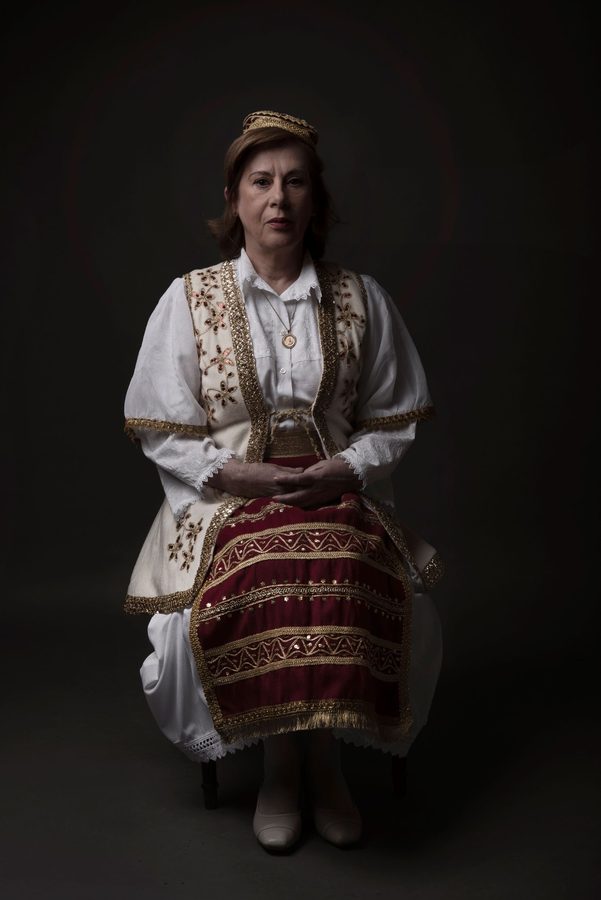
“The Country Where No One Ever Dies” premiers on the 19th of September at the Michael Cacoyannis Foundation, under the directorial guidance of Enke Fezollari, with Aggeliki Karistinou, who impersonates the writer with the familiar as also nightmarish faces around her, Athina Karagioti and Vefi Redhi.
Director’s note
Are two hours enough to imprint a life, a body, a land, Balkans themselves? Which is the debt, which is the duty and which the in between them, I wonder paraphrasing a verse of Seferis. Which social and political identity we wear? Why and for whom? Which ideals and illusions we breed? With which illusions we born and which are giving birth as we grow old. It’s hard to talk for the history of your country. To put the pure body of a heroine in a stage in two hours. To communicate stories with broken lives, postponing cities which have their own laws. The spectator confronts with the route to adulthood of a girl trapped in rules, in social political mountains in a land that never dies.
But it is something more than the fighting in a brutal male dominated world and in a totalitarian regime. It is the fight of the same person to liberate, to gain dignity, to release from the chains of “being” and after all walk through the road of personal success.
“The Country Where No One Ever Dies” is a play which has the map of my own country which bleeds and reborns from its own ashes. Which country? This that never dies.
For the book of Vorpsi
Delivered in a series of tightly focused chapters that break down further into vignettes or specific moments of memory and reflection, The Country touches on life and death, sex and beauty and the state, and how they all manage to inform one another. Vorpsi’s voice is candid, ringing with both the pointed, no-nonsense immediacy of a curious child and the wisdom that accompanies true experience. Blithely aware of her position in a society that, despite its claims to the contrary, has both clearly defined strata and fixed societal roles, her keen eye is that of a satirist, capable of delivering even the most off-handed minutia with profound candor. In assessing her place as an Albanian woman, she repeats well-known maxims which say women “grow like leaves on a tree,” and “a good-looking girl is a whore; an ugly one—poor thing—is not.”
The Country Where No One Ever Dies is a journey of a consciousness, that of a nameless young girl and of a people deeply in love and deeply at odds with this Albania, this broken down Shangri-La. Though her narration contains a sublimated nostalgia, Vorpsi skillfully avoids anything hinting at melancholy or melodrama, even as her narrator recounts the internment of her father in a “re-education facility,” which affects the narrator only in that, as the daughter of a political prisoner, she had to be sure that “even more than the other students—[she] got a good communist education.” Yet, even under the watchful eyes of Mother party and the leering gazes of lecherous men, it is as though the Albanian is not capable of happiness anywhere but that country “created out of dust” and “thirsting for tragedy.” For, as she concludes in a notably ironic epilogue entitled “The Promised Land” ( “In this country Albanians discover they’re mortal… loneliness accumulates until it becomes a stomach ulcer… They don’t want to hear another word about the Promised Land. The Promised Land taught them they were mortal. And they never want to die.”
