Photography Exhibition “On the Move” | Discovering the practice of transhumance in the Mediterranean
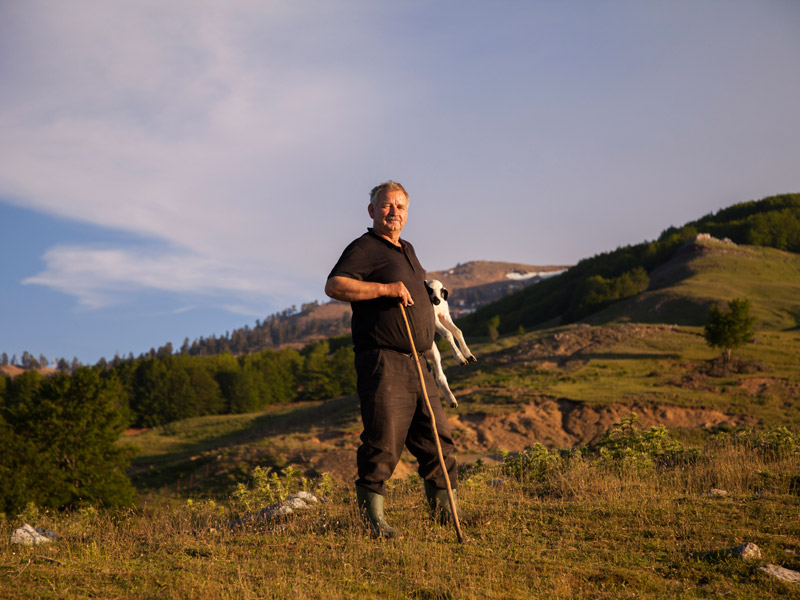
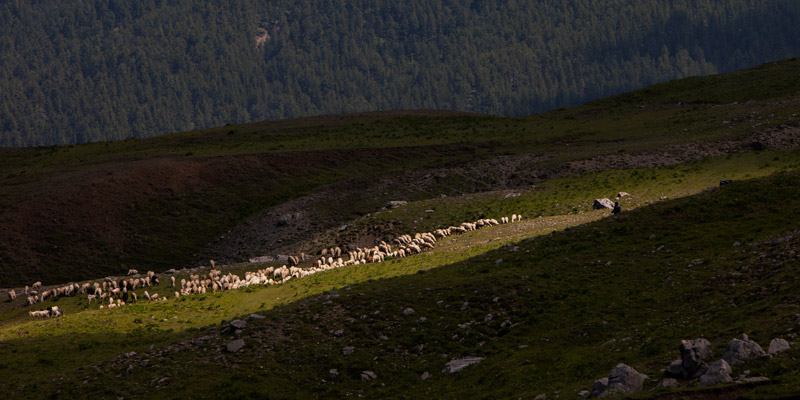
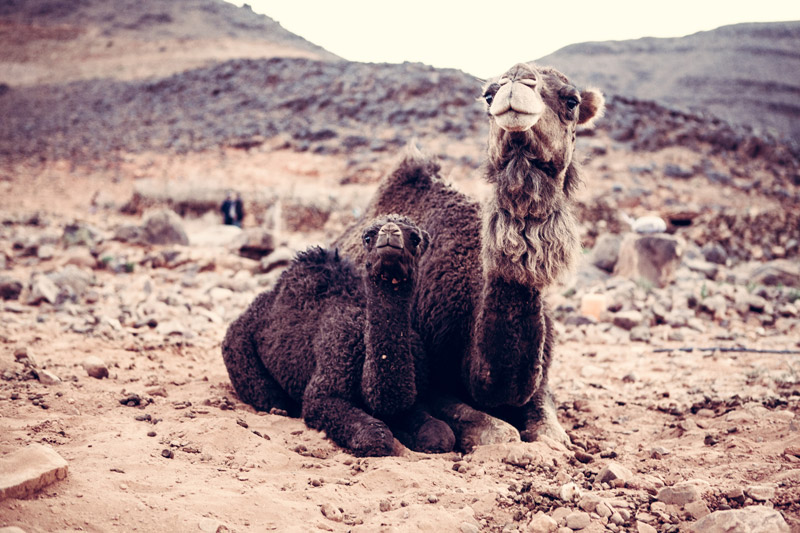
Transhumance and nomadic pastoralism are cultural traditions which have been practiced in the Mediterranean and far beyond for thousands of years, with important economic, cultural and environmental benefits. Applicable to the husbandry of sheep, goats, cattle and camels, the key principle involves the movement of herds for grazing, often over long distances and, with transhumance, each year from mountain to plain and back again. Even though its roots can be traced back to prehistoric times, transhumance is still very much alive across the Mediterranean basin.
On the Move is a celebration of the transhumant shepherds and nomadic pastoralists of the Mediterranean. It features the work of six prominent professional photographers from Morocco, Tunisia, Spain, Turkey, Lebanon and Greece. Their pictures capture different aspects of the landscapes of these remarkable and resilient men, women and children, providing revealing and often moving insights into their daily lives, including the many challenging circumstances they face.
On the Move makes its sixth stop in Greece, after successful exhibitions in Switzerland, France, Lebanon, Tunisia and Spain and before continuing its journey to other Mediterranean countries and beyond. In Greece it has already been hosted in the Averoff Museum in Metsovo with great success and substantial support from the local community. From the high mountains of Pindos, the study area for transhumance in Greece, the exhibition will travel to Athens where it will be hosted in the Michael Cacoyannnis Foundation from 21st October to 10th November 2015. By inviting the urban population of Athens on this unique photographic journey, it aims to raise awareness on the important contribution of transhumant shepherds on our common future.
The seasonal movement of livestock in search of better climatic conditions, forage and water resources is a known cultural practice with important societal, cultural and environmental dimensions. Research has confirmed the importance of transhumance in nature conservation with its direct impact on biodiversity and natural resource management as well as its benefits on the protection of cultural heritage through the transfer of traditional knowledge and know-how. The case of ethnotic / cultural groups that practice it, like the Vlachs and Sarakatsans in Greece prove exactly that. However, one of the most important aspects in a time of financial crisis and socio-political turbulence is that transhumance can concretely contribute to the sustainable development of communities living in mountainous and semi mountainous areas and to the preservation of the ecological fabric while improving the lives of people across the Mediterranean through the high quality products produced by this practice.
In Greece, On the Move is being organized by the Mediterranean Institute of Nature and Anthropos (Med-INA) in cooperation with the Management Body Vikos-Aoos and Pindos, Pindos Perivallontiki and the Vjosa / Aoos River Ecomuseum. The exhibition is just one product of a larger initiative examining mobile pastoralism around the Mediterranean in the framework of a project carried out by the Mediterranean Consortium of Nature and Culture.
Photographers: Stamos Abatis (GR), Assad Saleh (LB), Baris Korca (TR), Gema Arrugaeta (ES), Wassim Ghozlani (TN), Younes Tazi (MA)
Curators: Aphrodite Sorotou, Stamos Abatis
Information
Wednesday 21st of October to Sunday 15th of November 2015
Photography Exhibition
“On the Move”
Discovering the practice of transhumance in the Mediterranean
Mediterranean Consortium of Nature and Culture
Exhibition Opening: Wednesday, 21st of October 2015, at 20:00
Hall: Exhibition Area -1st & 2nd floor
Hours: 18:00 – 22:00 [Daily]
Free Entrance
